









Many people already pay digitally, so the phrase 'digital rupee' can sound like a new name for an old experience. The Reserve Bank of India's public explanation draws a distinction: the digital rupee, or e-rupee, is a digital form of currency held in a wallet, while UPI is a means through which payments can be initiated between accounts. At a shop counter, either might involve scanning a code. Their similar appearance can conceal different arrangements underneath.
The distinction resembles the difference between the money in a physical wallet and the method used to move money from a bank account. It is only an analogy, and the technical details matter. But it helps explain why introducing a digital form of currency is a separate policy question from making bank transfers faster. If a user sees only an effortless payment, the public still needs to understand what is being held, who owes it, and how it can be used.
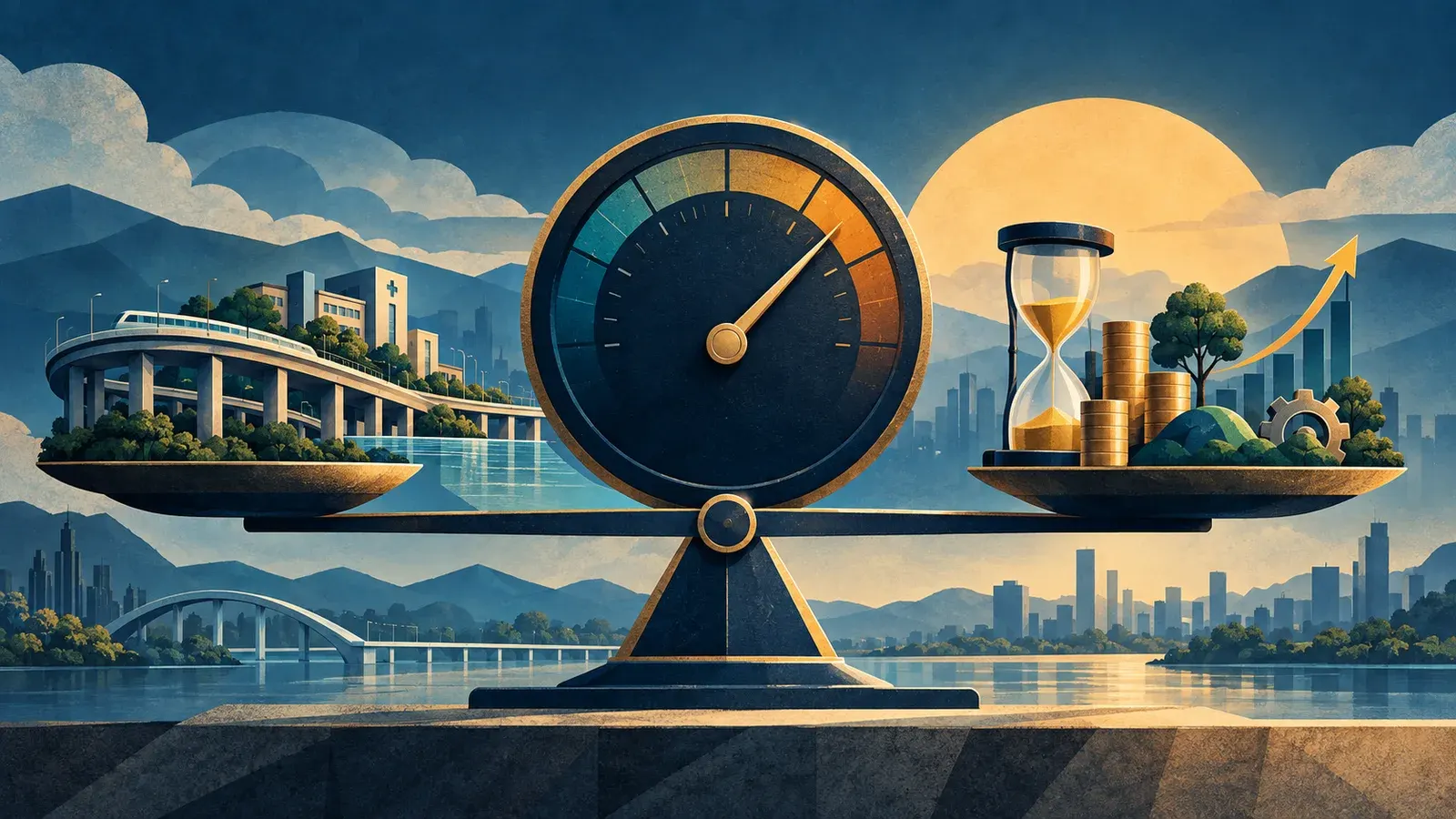
Why explore a new form of money when existing systems already work for many people? Policymakers may examine efficiency, resilience, access, and the design of future payments. Whether the digital rupee advances any particular aim depends on how the pilot operates and what users actually need. A new instrument is not a success merely because it can perform a familiar action. It should be assessed against alternatives, including improvements to systems already in use.
Adoption is not just a matter of distributing an application. Merchants must be willing to accept payment, users must know how to obtain and spend the currency, and problems must be resolved predictably. A small pilot can test operations without proving that every household would benefit. Expanding too quickly could create confusion; moving too slowly could leave useful lessons undiscovered. Evaluation should identify what the pilot is designed to learn, rather than treating the number of wallets alone as the verdict.
Privacy deserves careful explanation. Physical cash allows many small transactions without a detailed digital trail, while electronic systems differ in what they record and who can see it. A digital currency might be designed with different balances between traceability and privacy. The public should be able to understand the actual rules rather than assume that a digital rupee either perfectly resembles cash or necessarily makes every purchase visible to everyone. Broad assurances are less valuable than clear descriptions of access and safeguards.
The relationship with existing banks matters as well. If people hold more value in a new kind of wallet, banks and payment providers may have to adjust how they serve
customers. The size and significance of such changes depend on the design and limits of use. A pilot is a way to observe behaviour and operational issues before drawing large conclusions. It is not evidence that the entire banking system is about to be replaced.
There is an inclusion question. A tool used only by people with reliable smartphones may add little for those who struggle most with payments. On the other hand, thoughtful design could make certain transactions easier if access barriers are addressed. The value of a digital currency for an excluded person cannot be inferred from the convenience experienced by an already connected user. Device availability, language, support, and trust must be considered.
Public debate often treats new payment technology as a contest with a winner. Cash, account-based transfers, and digital currency can serve different purposes. Users may prefer different methods depending on the amount, setting, reliability of a connection, and desire for a record. Resilience may require more than one working route. A good policy asks where each method helps and what happens when one is temporarily unavailable.
The digital rupee is therefore a lesson in reading past the screen. Two transactions may look alike to a customer while relying on different claims, institutions, and safeguards. A useful question is not simply whether the payment is fast, but what form of money moves, what protections accompany it, and which problem the new design solves. Those are the questions that make a pilot worth watching.